


[Vox] The fight for transparency in police misconduct, explained
New York’s repeal of section 50-a — which allowed police to shield misconduct records — is a big win for activists, but there is more work to be done.
By Stephanie Wykstra | Jun 16, 2020
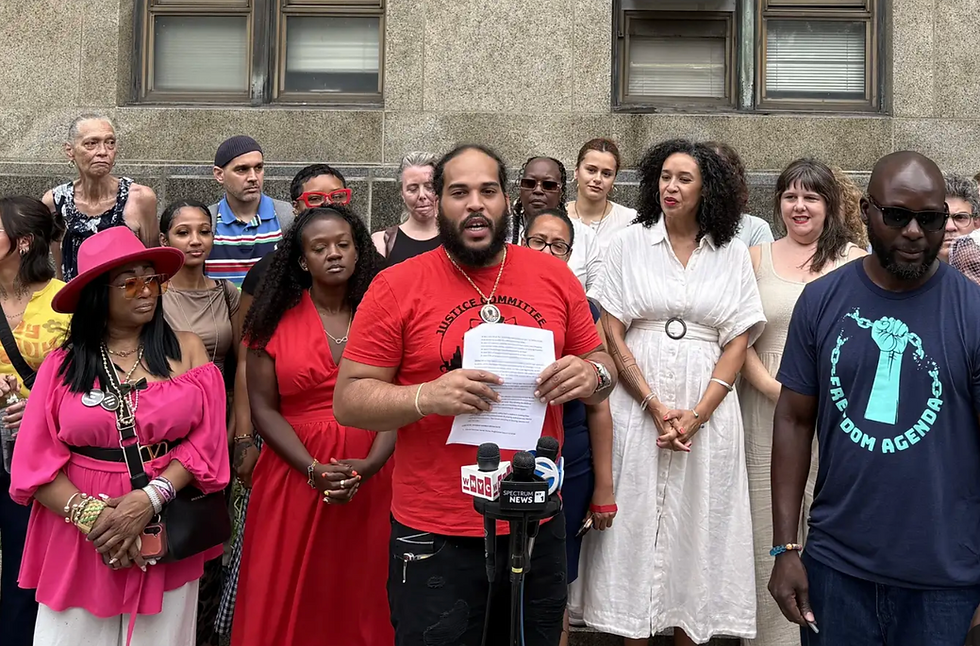
On June 12, Gov. Andrew Cuomo signed several police transparency and accountability bills, including a repeal of 50-a. Malcolm and other advocates point to the surge of protests against police brutality sparked by Minnesota police officer Derek Chauvin’s killing of George Floyd — in addition to the work of groups like Justice Committee and Communities United For Police Reform (of which Justice Committee is a member) — as the impetus that finally pushed the bills through.
“Now families like mine and people who are brutalized by police won’t have to rely on leaks to get information about the officers who abused them,” Malcolm said. “So this is a very big victory for us.”


Router configuration does not have to be difficult when the basic concepts are explained clearly. Readers exploring 10.0.0.0.1 can learn more about access settings and network administration.
I found this discussion meaningful because it shows how transparency and accountability can become central issues when communities seek greater access to information about policing. The role of advocacy groups and public pressure also illustrates how civic engagement can bring attention to longstanding concerns. That focus on understanding different situations reminds me of Melon Playground, a physics sandbox game where I can create scenes, test setups, and explore different outcomes.